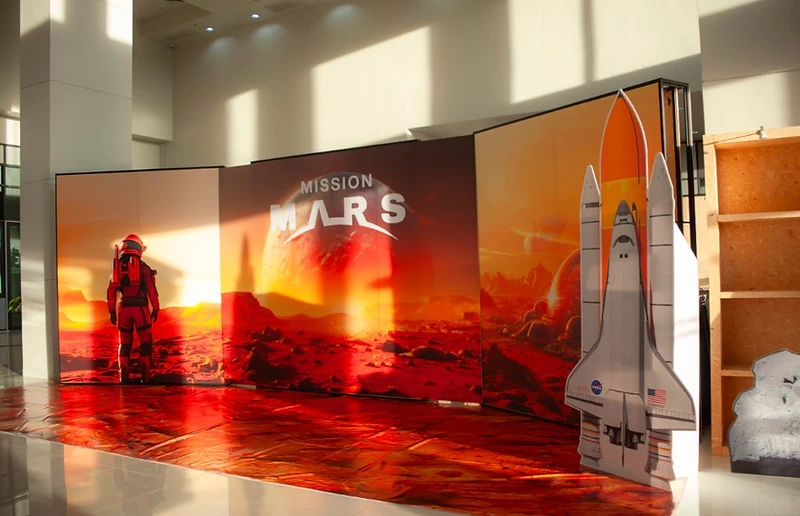
Mission Mars
Empower your students to build sustainable futures. An integrated curriculum where teams design and construct eco-habitats for Mars simulations — blending STEM innovation, sustainability, leadership and teamwork for real-world impact.
Mission Mars
Mission Mars lets students design, prototype and test sustainable habitats in analog Mars environments, incorporating ethics, resource management and collaborative builds. Led by astronauts who flew with NASA and expert faculty, it tackles the engineering and biological challenges of surviving on another planet.
The programme runs in three stages — design, build and present — and is scalable for whole-school delivery, with low student-to-staff ratios for under-18s. It aligns with STEM standards and ends with a mission showcase where crews present and defend their solutions.
From concept to reality
Three stages that take students from a blank page to a defended, working mission.
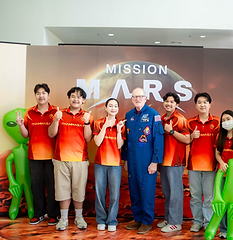
Design
Crews brainstorm solutions for Mars colonisation, research planetary science, sketch habitat blueprints and plan sustainable systems such as water recycling and energy generation.
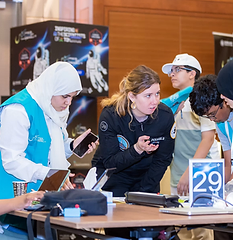
Build
Teams construct scale models using everyday materials and 3D printing — assembling rovers, greenhouses and living quarters while applying real engineering principles.
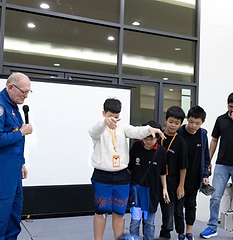
Present
Crews showcase their Mars mission through presentations and virtual simulations, explaining designs and demonstrating prototypes to astronauts, engineers and peers.
What students build
- Design — brainstorm solutions for Mars colonisation, research planetary science, sketch habitat blueprints and plan sustainable systems such as water recycling and energy generation
- Build — construct scale models using everyday materials and 3D printing, assembling rovers, greenhouses and living quarters while applying real engineering principles
- Present — showcase the Mars mission through presentations and virtual simulations, explaining designs, demonstrating prototypes and discussing real-world applications
- Defend the mission in a crew showcase to astronauts, engineers and peers
Outcomes
- Enhanced STEM curriculum — hands-on habitat design boosts engagement and retention
- Embedded leadership, presentation and teamwork through group builds and critiques
- Sustainability literacy, with students tackling real eco-challenges like water recycling and energy efficiency
- A signed NASA astronaut completion certificate and a tangible mission portfolio
Bring Mission Mars to your school
Tell us about your students and your calendar. We'll send a costed proposal within 24 hours.